
What Is TDS in Water? Safe Level, Normal Ranges, and Myths Explained

In recent years, “TDS” has become a popular buzzword in water quality discussions. Many believe a lower TDS reading automatically means cleaner, safer water—and often use TDS meters to judge their water filters.

But what exactly does TDS measure, and is a lower number always better? Here is an expert breakdown of TDS standards, normal drinking ranges, and how to properly evaluate your tap water.
What Is the Meaning of TDS (Total Dissolved Solids) in Water?

TDS refers to Total Dissolved Solids, meaning the aggregate weight of all inorganic and organic substances dissolved in a given volume of water. These dissolved solids primarily consist of:

  • Inorganic salts: Calcium, magnesium, potassium, sodium, bicarbonates, chlorides, and sulphates.
  • Trace metals: Iron, copper, zinc, and lead (from ageing pipes).
  • Organic matter: Microscopic particles dissolved in the water supply.

TDS directly influences the taste and mouthfeel of drinking water. However, a TDS reading measures quantity, not quality. It indicates how much is dissolved in the water, but cannot distinguish between healthy essential minerals (like calcium and magnesium) and harmful contaminants (like lead or nitrate).

What Is a Safe TDS Level for Drinking Water?

Neither the World Health Organization (WHO) nor local health agencies set a strict safety limit for TDS, because dissolved solids themselves do not pose a direct health hazard. Instead, TDS is evaluated based on palatability and taste aesthetics:

WHO TDS Taste Guidelines

  • Under 300 mg/L (ppm): Excellent
  • 300 – 600 mg/L: Good
  • 600 – 900 mg/L: Fair
  • 900 – 1,200 mg/L: Poor
  • Above 1,200 mg/L: Unacceptable (Unpalatable)

Normal TDS Level in Drinking Water in Hong Kong

According to the Water Supplies Department (WSD), tap water in Hong Kong generally ranges between 30 and 150 mg/L (ppm). This places Hong Kong’s municipal water comfortably within the WHO’s “Excellent” category.

Note: While local water sources start pure, actual TDS levels at your tap can spike due to corroded building pipes, unwashed rooftop water storage tanks, or ageing plumbing infrastructure.

How to Accurately Measure TDS Levels in Drinking Water?

The simplest method is to use a household TDS testing pen. Simply place the probe in the water, and the testing pen will estimate the total dissolved solids content using electrical conductivity, displaying the TDS value within a few seconds. However, TDS testing pens are for daily reference only and cannot directly determine whether water contains bacteria, heavy metals, or other contaminants.

What Is the Relationship Between TDS and Hard or Soft Water?

Water hardness specifically measures the concentration of calcium and magnesium ions.

Hard water usually has a higher TDS because of these minerals.

However, a high TDS does not always mean hard water. Water rich in sodium or chloride will yield a high TDS reading while remaining technically “soft.

What Is a Normal TDS Level in Drinking Water? What Do Different Values Represent?

TDS values can serve as a reference for determining the content of dissolved substances in water, generally categorised into the following ranges:

  • 0–50 ppm: Close to pure water, commonly found in laboratories or industrial uses, and not recommended as long-term daily drinking water.
  • 50–150 ppm: Low TDS water, with a lighter taste and relatively lower mineral content.
  • 150–300 ppm: Common drinking water range, containing an appropriate amount of minerals with a more natural taste.
  • 300–600 ppm: Still within an acceptable range, but the taste may be heavier.
  • 600–1000 ppm: High TDS, it is recommended to pay attention to the water source and water quality conditions.
  • Above 1000 ppm: Not recommended for direct drinking; further water quality testing should be conducted.

What Do TDS In and TDS Out Mean?

TDS In refers to the value of untreated raw water, while TDS Out refers to the value of filtered water. The difference between the two can provide a preliminary understanding of a water filter’s ability to reduce dissolved solids.

How Filter Systems Affect TDS In vs. TDS Out

Comparing TDS In (unfiltered raw water) and TDS Out (filtered water) is a common way to measure filter performance. However, the result depends entirely on the filtration technology used:

  • Reverse Osmosis (RO) Systems: RO membranes filter particles down to 0.0001 microns, removing up to 95–99% of all dissolved solids. A dramatic drop in TDS is expected and indicates the system is working properly.
  • Activated Carbon & Ultrafiltration (UF): These systems target chlorine, odours, VOCs, sediment, and bacteria while retaining beneficial minerals. As a result, TDS readings will remain virtually unchanged—this is completely normal and intended.

Elevating Drinking Water Quality with Life Solutions

Relying solely on a TDS number can be misleading. To ensure water is both pure and mineral-balanced, Life Solutions offers commercial and residential filtration systems tailored to your specific infrastructure.

Whether utilising precision Reverse Osmosis for high-purity demands or multi-stage carbon filtration with Firewall® UVC purification to eliminate 99.9999% of bacteria while preserving mineral taste, Life Solutions delivers safe, crisp, and sustainable drinking water for homes and businesses across Hong Kong and Macau.

Frequently Asked Questions About TDS Levels

What TDS Level Is Safe for Drinking Water?

TDS cannot be used to directly determine whether drinking water can be consumed raw. It only reflects the amount of dissolved substances in the water and cannot detect bacteria, heavy metals, or other contaminants. To determine whether water is suitable for direct consumption, one must still look at the water source, disinfection treatment, and overall water safety.

What TDS Level Indicates Soft Water?

Generally, 0–60 ppm can be regarded as soft water, while 60–120 ppm is mostly slightly hard or moderately hard water. Soft water usually has a gentler mouthfeel and is less likely to form obvious limescale in electric kettles.

Does boiling water lower the TDS?

No. Boiling water evaporates pure H₂O as steam, leaving dissolved solids behind. As a result, boiling tap water actually slightly increases the TDS concentration.

Is a Lower TDS Always Better?

No. Ultra-low TDS (under 10 ppm) means the water is almost entirely demineralised, which can result in a flat, acidic taste. For daily drinking, water containing moderate, healthy mineral content (50–200 ppm) is generally preferred.

What causes a sudden rise in tap water TDS?

A sudden spike in TDS often points to local plumbing issues—such as rusting pipes, dissolved sediment from recently cleaned water tanks, or changes in municipal water sourcing. If accompanied by discolouration or odour, inspect your building’s supply line immediately.

References:

Water Purification Knowledge Base – Hong Kong Water Quality Analysis
NSF Certification Explained: NSF 42, 53 & 55 Standards

When evaluating commercial or residential water purification systems in Hong Kong, “NSF Certification” (NSF Cert) is widely cited as the hallmark of safety. However, not all NSF claims are created equal.

Understanding which NSF standards apply—and distinguishing between a Complete System Certification and a Component Certification—is essential for facility directors, school administrators, and discerning homeowners seeking uncompromised water purity.

What Is NSF Certification?

The National Sanitation Foundation (NSF International) is an independent, non-profit testing and certification organisation recognised globally as an authoritative body on public health and safety. Operating as a World Health Organization (WHO) Collaborating Centre for Food and Water Safety, NSF establishes rigorous testing protocols for water treatment equipment.

For a water purification system to earn NSF certification, it must undergo a strict scientific evaluation covering three core areas:

  • Contaminant Reduction Claims: Empirical proof that the system filters out the specific pollutants it claims to target.
  • Material Safety: Verification that no harmful chemicals, heavy metals, or plasticisers leach from the unit into the purified water.
  • Structural Integrity: Pressure and durability testing to ensure the equipment will not burst, crack, or leak under continuous municipal water pressure.

What Is the Difference Between NSF 42, 53, 55, and 58 Certifications?

NSF certifies water treatment systems under distinct standard numbers depending on the technologies used and the specific contaminants targeted:

  • NSF/ANSI 42 (Aesthetic Effects): This NSF 42 certification is the most basic water filtration standard. It primarily focuses on improving the taste, odour, and appearance of water, such as effectively filtering out chlorine and particulate impurities.
  • NSF/ANSI 53 (Health Effects): This NSF 53 certification is an advanced health protection standard. The filtered water must show a reduction in contaminants detrimental to human health, such as heavy metals (e.g., lead and mercury), volatile organic compounds (VOCs), and chlorine-resistant cysts.
  • NSF/ANSI 55 (Ultraviolet Microbiological Water Treatment Systems): Designed specifically for water filtration systems using ultraviolet (UV) technology, this standard tests their ability to deactivate or kill bacteria, viruses, and microorganisms in water.
  • NSF/ANSI 58 (Reverse Osmosis): This is the dedicated standard for reverse osmosis (RO) water treatment systems. It ensures the system can effectively and significantly reduce total dissolved solids (TDS) and various inorganic contaminants.

To obtain the most comprehensive protection against physical, chemical, and biological hazards, select equipment that holds combined certifications across NSF 42, 53, and 55/58, alongside NSF 401.

How to Verify If a Water Purifier Has NSF Certification

To confirm whether a product truly holds NSF certification, relying solely on the logo on the packaging is not enough. The most direct and accurate method is to search the official NSF database:

1. Visit the official NSF certification search page.

2. Enter the brand name or specific model of the water purifier.

3. Compare the search results to confirm which standards (such as 42, 53, or NSF 58) the model has actually met.

What Are the Long-Term Effects of Drinking Bottled Water? Disadvantages of Bottled Water and Microplastics Risks Explained

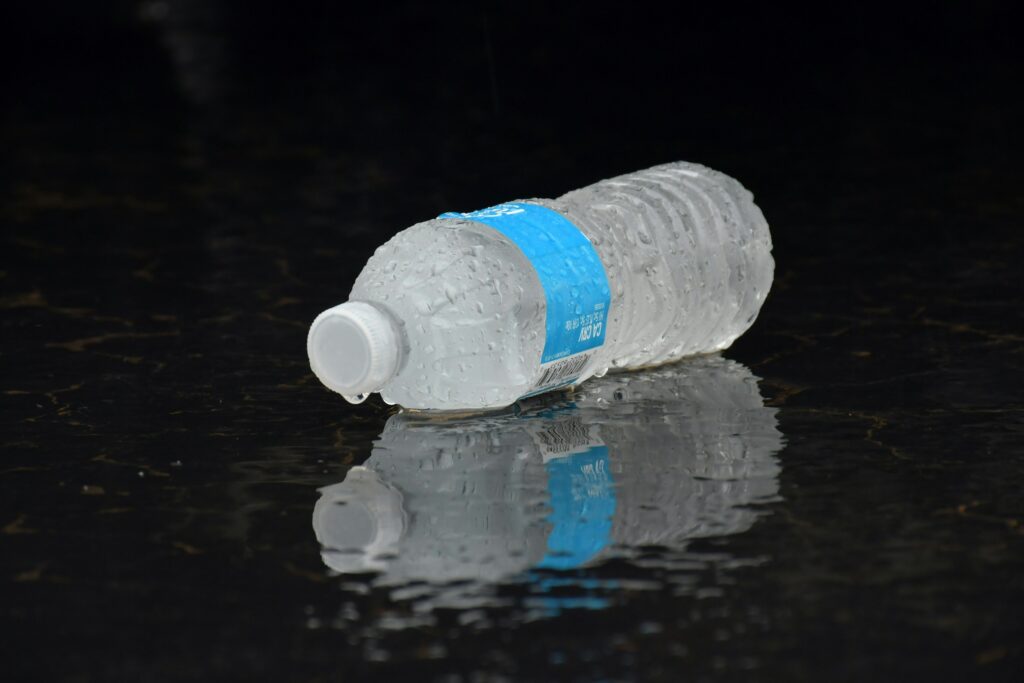
For the sake of convenience, many people habitually purchase bottled water to quench their thirst when out and about or at home. However, is long-term drinking of bottled water truly safe, and are plastic water bottles bad for you? These two questions have garnered significant attention from both the medical and environmental sectors in recent years.

Although bottled water appears clear and clean, it hides potential risks such as microplastics, chemical leaching, and mineral imbalances. This article will break down the disadvantages of bottled water in detail and compare different drinking water solutions to help you safeguard your family’s health.

Safety of Drinking Mineral Water for the Long Term: Understanding Bottled Water Composition First

Before exploring whether drinking mineral water long-term is beneficial, we must first clarify the differences in composition among various types of bottled water on the market.

Mineral Water vs. Distilled Water: Understanding the Basics

Bottled water on the market is mainly divided into two categories:

  • Mineral water: Extracted from natural underground springs, containing trace inorganic minerals like calcium, magnesium, and potassium.
  • Distilled water: Municipal water boiled into steam and condensed back into liquid, removing virtually all dissolved minerals, organic compounds, and impurities.

Do You Need Mineral Water to Stay Healthy?

A common myth is that bottled mineral water is necessary to meet daily nutrient intake. In reality, the mineral concentration in bottled water is negligible. Essential minerals are primarily absorbed through a balanced diet (such as leafy greens, nuts, and dairy). Mineral water should be viewed for taste preference, not as a primary nutrient source.

The Hidden Health Risks of Single-Use Plastic Bottles

The true disadvantages of bottled water stem not from the liquid inside, but from the plastic packaging and transport conditions:

Chemical Leaching (BPA & Phthalates)

Most bottled water is packaged in Polyethene Terephthalate (PET) plastic. When exposed to heat, sunlight, or extended storage, such as bottles left in delivery trucks or parked cars, PET degrades. This accelerates the leaching of endocrine-disrupting chemicals like Bisphenol A (BPA) and phthalates into the water.

Microplastic Contamination

Recent research indicates that single-use plastic bottles shed microscopic particles during cap twisting, squeezing, and transit. A landmark study revealed that individuals who rely primarily on bottled water can ingest up to 90,000 additional microplastic particles annually.

Once ingested, nanoplastics and microplastics can cross biological barriers and enter the bloodstream and major organs. Potential long-term biological impacts include:

  • Cellular Oxidative Stress: Triggering chronic low-grade inflammation.
  • Hormonal Disruption: Mimicking estrogen and reducing insulin sensitivity, which elevates metabolic risks.

Reproductive Toxicity: Exposure to leached plasticisers interferes with endocrine balance.

Bacterial Proliferation

Once a bottle is opened and placed against the lips, oral bacteria enter the liquid. In a sealed plastic environment at room temperature, these microorganisms multiply exponentially within hours, making overnight bottled water unsanitary.

The Impact of Microplastics on Human Health

Microplastics in bottled water have rapidly emerged as a critical health concern. Research from Concordia University indicates that routine handling—such as exposure to sunlight, temperature fluctuations during transport, or simple bottle squeezing—causes PET bottles to shed invisible plastic particles directly into the liquid.

Relying primarily on bottled water can result in an estimated 90,000 additional microplastic particles ingested per person each year. Once swallowed, sub-micron plastics can cross biological barriers and enter the bloodstream and organ tissues. Documented biological risks include:

  • Chronic Inflammation & Oxidative Stress: Cellular damage caused by non-biodegradable particles.
  • Endocrine & Hormonal Disruption: Leached chemicals such as Bisphenol A (BPA) mimic hormones, potentially reducing insulin sensitivity and increasing metabolic risks.
  • Systemic Toxicity: Potential long-term links to reproductive issues and neurological interference.

Long-Term Bottled Water Consumption vs. Point-of-Use Filtration: Which Is Safer?

While bottled water is often marketed as the cleaner option, long-term consumption entails ongoing financial costs, risks of plastic degradation, and secondary contamination. Direct point-of-use filtration offers a fresher, safer, and far more sustainable alternative.

Cost Comparison

  • Bottled Water: Purchasing single-use bottles or carboys creates a continuous financial drain. For an active household or busy office consuming multiple litres daily, annual costs quickly escalate into thousands—or even tens of thousands—of Hong Kong dollars.
  • Mains-Fed Filtration: While there is a modest initial installation cost, point-of-use systems deliver an unlimited supply of purified water at a fraction of a cent per litre. Ongoing costs are limited to predictable, periodic filter replacements.

Water Quality & Safety

  • Bottled Water: Purity degrades over time. Sunlight exposure, ambient heat during transit, and extended shelf life increase the likelihood of microplastic shedding, chemical leaching, and bacterial regrowth once opened.
  • Mains-Fed Filtration: Direct filtration purifies tap water immediately before it hits your glass. Advanced filtration technologies—such as Reverse Osmosis (RO) and sub-micron activated carbon—instantly eliminate heavy metals, rust, chlorine, microplastics, and pathogens from municipal supplies.

Healthier, Sustainable Drinking Water Alternatives

Eliminating your exposure to microplastics, BPA, and chemical leaching requires a permanent shift away from single-use plastic bottles. To protect your family or organisation, adopt these healthier, eco-conscious hydration practices:

  • Install a Certified Point-of-Use Filtration System: The most reliable way to ensure pristine water quality is to purify municipal water directly at the source. Rather than storing stagnant water in plastic containers, a point-of-use system filters water immediately before it reaches your glass. Look for advanced multi-stage systems certified to international standards (such as NSF/ANSI 42, 53, and 58) to guarantee the removal of heavy metals, microplastics, and volatile organic compounds (VOCs).
  • Transition to Food-Grade, Reusable Containers: When on the go, carry a personal water bottle crafted from food-grade stainless steel or glass. Replacing single-use PET bottles with non-reactive materials completely eliminates chemical leaching, BPA exposure, and microplastic shedding—even when exposed to heat or direct sunlight.

Frequently Asked Questions About Bottled Water

Can drinking mineral water cause kidney stones or health issues?

For healthy individuals, consuming mineral water in moderation will not cause kidney stones. However, continuous high-mineral intake can place an unnecessary metabolic burden on individuals with impaired kidney function, renal disease, or underdeveloped infant digestive systems. For general daily hydration, balanced, multi-stage filtered tap water is far better suited to the body’s needs.

What are the main risks of relying exclusively on bottled water?

Relying solely on single-use bottled water—whether mineral or distilled—significantly increases your long-term exposure to microplastics and endocrine-disrupting plasticisers like BPA. Beyond personal health risks, it generates ongoing plastic waste and substantial financial costs compared to point-of-use filtration.

How does filtered tap water compare to bottled mineral water?

Filtered tap water provides the ultimate balance of purity, convenience, and safety. Rather than sitting stagnant in plastic containers, point-of-use systems like Life Solutions purify municipal water instantly at the tap using Reverse Osmosis and Firewall® UVC sterilisation. This completely eliminates sediments, heavy metals, and pathogens while preserving fresh taste—without the heavy environmental or financial footprint of bottled water.

Is Reboiled Water Bad for You? Myths, Kettle Risks, and Safe Drinking Habits

It is a common household scenario: you boil an electric kettle, forget about it, and press the switch to boil it again hours later. This frequent habit has fuelled long-standing rumours that “reboiling water causes cancer” or releases dangerous toxins.

Can you safely reboil water, or does repeated heating pose hidden health risks? Here is a science-based breakdown of the reboiling myth, the real hygiene drawbacks of traditional electric kettles, and how to ensure pristine water quality at home and in the office.

What Is Reboiled Water (Boiling Water Twice)?

Definition and Common Scenarios of Reboiled Water

Simply put, reboiled water refers to water that has already been boiled, cooled down, or left unfinished, and is then heated to a boil once again, basically boiling the water twice.

This typically occurs when:

  • Reheating stagnant, half-empty water in an electric kettle.
  • Leaving thermal airpots on continuous “keep-warm” modes, causing periodic re-boiling.

These scenarios are very common in daily life, especially when using electric kettles or airpots, where the habit of reboiling water easily forms.

Does Reboiled Water Cause Cancer? Debunking Common Health Myths

The myth that reboiling water causes cancer stems from a theoretical chemical process: repeated evaporation concentrates naturally occurring nitrates in tap water, which can theoretically convert into carcinogenic nitrosamines in the body.

However, this concern is scientifically unfounded for everyday drinking water.

Data from the Hong Kong Water Supplies Department (WSD) confirms that nitrate and nitrite levels in municipal tap water are microscopic. Even after multiple boiling cycles, the concentration of trace minerals increases slightly due to evaporation but remains far below the safety thresholds set by the World Health Organization (WHO).

The Verdict: Reboiling water does not cause cancer. The real safety issue is not the act of reboiling, but rather limescale build-up, material degradation, and secondary bacterial contamination inside traditional kettles.

The Hidden Hygiene Risks of Traditional Electric Kettles

While reboiled water itself is non-toxic, improper kettle usage introduces genuine health and taste concerns:

1. Limescale and Mineral Deposits

Continuous boiling accelerates the precipitation of calcium and magnesium, creating thick limescale at the bottom of the kettle. This distorts the water’s taste (yielding a flat, metallic, or stale flavour) and reduces heating efficiency.

2. Secondary Bacterial Growth

Once boiled water cools down, residual chlorine—which protects water from bacteria—evaporates. If leftover water sits in a kettle overnight, ambient bacteria can multiply quickly. Reheating it later may not completely remove stale tastes or organic residue.

3. Subpar Materials & Off-Gassing

Low-quality plastic or poorly coated metallic kettles can leach microplastics, plasticisers, or metallic odours into heated water over time.

Consumer Council Tips: How to Clean Kettle Limescale and Odours

Sometimes, after an electric kettle has been used for a while, it may emit an unpleasant metallic or strange odour. To maintain kettle hygiene, the Consumer Council recommends the following maintenance steps:

  • Lemon Juice / White Vinegar Soak: Dilute strained lemon juice or white vinegar with water, pour it into the kettle, and let it soak for a few hours. The mild acid neutralises alkaline limescale and removes stale odours.
  • Pre-Flush New Appliances: Boil and discard fresh water two to three times in new kettles to flush out manufacturing residues before first use.
  • Regular Weekly Maintenance: Clean internal linings weekly to prevent mineral crystallisation from hardening into stubborn scale.
  • Timely Replacement: If persistent metallic tastes or odours remain after thorough cleaning, internal heating elements or seals may be degrading. Replace the appliance immediately.

Smart Practices for Safe, Fresh Drinking Water

Eliminating the need to reboil water comes down to better habits and modern technology. Here are three effective ways to maintain daily water freshness and safety:

Boil on Demand

Avoid filling kettles to capacity if you only need a single cup. Leaving boiled water to cool in an open kettle invites bacterial contamination, while keeping it on continuous heating modes causes oxygen to escape, leaving the water tasting flat.

Prevent Limescale Build-Up

Clean your kettle weekly to remove mineral scale. If you notice white residue, reduced heating efficiency, or a metallic taste, dissolve the build-up with a mild citric acid or vinegar rinse before organic matter settles in the cracks.

Upgrade to Direct Point-of-Use Filtration

While municipal tap water meets safety standards, secondary pollution from ageing building pipes—such as heavy metals, rust, and microplastics—cannot be removed by boiling alone.

Life Solutions takes the hassle out of home water care. Our advanced residential purification systems filter out 99.9% of pipe contaminants before heating, while direct-dispense thermal technology provides instant, perfectly boiled water on demand—eliminating standing water, limescale, and the need to ever reboil again.

Frequently Asked Questions About Reboiled Water

Why does reboiled water sometimes taste “flat”?

When water is boiled repeatedly, dissolved oxygen gas escapes. While this is harmless to health, low oxygen levels can make the water taste flat or stale compared to fresh water.

How long can boiled water sit in a kettle safely?

It is best consumed within 24 hours. Because boiling dissipates protective residual chlorine, standing water exposed to air becomes vulnerable to airborne bacteria and dust over time.

Is boiled water completely free of all pollutants?

No. Boiling effectively kills biological pathogens (bacteria and viruses), but it does not remove heavy metals (such as lead or rust), microplastics, or dissolved chemical pollutants. A certified multi-stage filtration system is required to eliminate physical and chemical impurities.

References:

Hong Kong Water Supplies Department – Data Summary

Why Does My Tap Water Smell Like Chlorine? Causes and Solutions

A chemical or bleach-like odour in your tap water is rarely a sign of contamination. In most cases, it is simply residual chlorine added by water authorities, such as the Hong Kong Water Supplies Department (WSD), to keep municipal water disinfected during transit.

While safe to drink, residual chlorine can spoil the taste and aroma of your daily coffee, tea, and drinking water. Here is a breakdown of why your water smells like chlorine, how much is safe, and how to eliminate the taste effortlessly.

Why Does My Water Smell Like Disinfectant?

To prevent waterborne diseases, municipal facilities add chlorine or chloramines during the treatment process. This neutralises bacteria, viruses, and pathogens as water travels through kilometres of underground pipelines.

A trace amount of “residual chlorine” remains in the supply to ensure water stays sterile inside building pipes and storage tanks. This smell often becomes more noticeable if:

  • Water sits idle in pipes overnight or during long holidays.
  • Ambient temperatures rise, accelerating chlorine volatilisation.
  • Building storage tanks or ageing plumbing systems are due for maintenance.

Does an Odour Indicate Poor Water Quality?

A mild chlorine smell usually means the disinfection process is working. However, if the odour is accompanied by discolouration, sediment, or a different scent, you may be facing another issue:

  • Metallic smell or taste: Indicates corroded iron or copper pipes leaching metal ions into the water.
  • Earthy and musty odour: Often caused by seasonal algae blooms or organic matter in reservoirs.
  • Sulphur (rotten egg) smell: Typically points to bacterial growth in hot water tanks or drainage systems.

Quick Check: If only one tap smells, the issue lies in that specific faucet or pipe. If every outlet in your property shares the same odour, inspect your building’s central water tank or contact your property management.

How Much Residual Chlorine in Tap Water Is Safe?

According to the World Health Organization (WHO) guidelines, residual chlorine levels up to 5 mg/L (ppm) are safe for human consumption. In Hong Kong, the WSD maintains strict monitoring to ensure tap water complies with WHO drinking standards well below this limit.

While tap water meets safety benchmarks, safety does not equal optimal taste or wellness.

How to Identify the Source of Chlorine Smell in Tap Water

Use a Chlorine Test Strip

Measure the exact free chlorine level straight from your tap using a home testing kit.

Flush the Line

Run the tap for 30–60 seconds in the morning to clear stagnant water from internal piping.

Notify Property Management

Persistent smells, yellowing water, or murky supply require immediate inspection of your building’s storage tanks.

How to Remove Chlorine Smell and Taste from Water

Boiling water helps, but choosing the right filtration technology is the only long-term solution:

  • Activated Carbon Filters: Highly effective. High-grade carbon adsorbs free chlorine, organic chemicals, and unpleasant odours, immediately restoring clean taste.
  • Reverse Osmosis (RO) Systems: The gold standard. RO membranes filter out dissolved solids, heavy metals, microplastics, and chlorine for bottled-water quality at home.
  • UV Sterilisation: Complements filtration by deactivating 99.99% of bacteria without adding chemicals, though it must be paired with carbon to remove odour.

Pure, Odour-Free Water with Life Solutions

Removing chlorine requires precise filtration that maintains water flow and reliability. Life Solutions provides advanced residential and commercial drinking systems engineered with multi-stage activated carbon and NSF-certified RO membranes. With our end-to-end service, our customised water solutions eliminate residual chlorine, heavy metals, and odours—delivering crisp, healthy, and pristine drinking water directly from your tap.

Frequently Asked Questions (FAQ)

Can boiling water remove the chlorine taste?

Yes. Boiling water for 10 to 15 minutes allows chlorine gas to dissipate. However, boiling does not remove heavy metals, rust, or chemical contaminants—as water evaporates, non-volatile impurities actually become more concentrated. Multi-stage filtration remains the most reliable solution.

Why did my water suddenly start smelling stronger of chlorine?

Water authorities may temporarily increase chlorine dosage during heavy rainfall, reservoir maintenance, or warm weather to prevent bacterial growth. Sudden spikes can also happen after building water tank cleanings.

Is water with a strong chlorine smell toxic?

No. Mild to moderate disinfectant odours reflect active chlorine dosing, not toxicity. However, if the water causes skin irritation or smells overwhelmingly pungent, stop drinking it directly and check your supply line.

How often should I replace activated carbon filters?

Typically, every 6 to 12 months, depending on household water usage and incoming water quality. A drop in water pressure or a returning chlorine taste signals that the filter cartridge is saturated and needs replacement.

Black Specks in Tap Water? Causes, Health Risks, and How to Fix It

Turning on the tap only to find an unappealing petroleum smell or black particles floating in your glass of water is a major concern for both building managers and homeowners.

In Hong Kong and Macau, black specks in tap water are rarely caused by the municipal water supply itself. Instead, they stem from ageing internal plumbing and deteriorating building infrastructure. Here is an expert breakdown of why bitumen and pipe debris enter your water, the potential health implications, and how to eliminate the problem at the source.

What Causes Black Specks and Bitumen Odours in Tap Water?

Municipal water treated by the Water Supplies Department (WSD) undergoes rigorous purification. However, as water travels through older distribution networks and building risers, secondary contamination can occur due to three main factors:

Peeling Bituminous Pipe Linings

To prevent corrosion, older galvanised iron or steel water pipes laid before modern plumbing standards were coated internally with a bituminous (tar-based) protective lining. Over decades of continuous exposure, this coating becomes brittle, degrades, and flakes off into the water stream as small, soft, or tar-like black flecks.

Sudden Water Pressure Fluctuations

Routine waterworks, municipal pipe repairs, or periodic building water tank cleanings cause sudden shifts in internal water pressure. These pressure surges dislodge accumulated scale, rust, and bitumen deposits from interior pipe walls, flushing them directly through estate taps.

Worn or Damaged Strainers

Public water inlets for commercial buildings and residential estates feature inline strainers designed to capture coarse sediment. If these strainers degrade, tear, or are poorly maintained, bitumen fragments and pipe debris pass directly into internal estate risers.

Is Bitumen-Contaminated Water Dangerous to Drink?

According to government analysis, most black specks found in ageing plumbing consist of inert substances like asphalt, coal tar residue, or degraded rubber gaskets.

Health Risk Assessment: Short-term accidental ingestion of trace bitumen particles poses a very low acute toxicity risk. However, bitumen is a chemical derivative that can impart a distinct petroleum odour and unpleasant metallic taste. Furthermore, flaking of pipe linings frequently coincides with heavy metal leaching (such as lead and rust), microplastics, and organic compounds such as Trihalomethanes (THMs).

For long-term health and wellness, water experts recommend eliminating pipe sediments entirely rather than relying on basic daily flushing.

Immediate Actions to Take When You Spot Black Particles

If black specks or unusual chemical odours appear in your drinking water, take these immediate steps:

  • Flush the System: Run cold water taps at full flow for 3–5 minutes every morning to purge stagnant water that has accumulated sediment overnight.
  • Alert Property Management: Report the issue to your estate management office or building engineer to inspect public strainers, main water tanks, and risers.
  • Switch to Point-of-Use Purification: Cease drinking unfiltered tap water until a certified filtration system or safe alternative is in place.

How to Eliminate Bitumen Contamination at the Source

Flushing taps every morning is merely a temporary workaround that wastes water and treats symptoms rather than the cause. Achieving pure, bitumen-free drinking water requires a two-tiered strategy:

1. Whole-Building Pipe Replacement (Long-Term Infrastructure)

The ultimate solution is replacing legacy galvanised steel water risers coated with bituminous linings with modern stainless steel or copper piping. However, retrofitting an entire commercial or residential building requires immense capital expenditure, extensive construction downtime, and unanimous approval from Owners’ Corporations or building management.

2. Point-of-Use Water Purification (Immediate & Effective Defence)

When building-wide pipe replacement is not immediately feasible, installing a high-performance point-of-use (POU) filtration system is the most practical and immediate safeguard. Acting as a physical and chemical barrier right at the tap, a multi-stage purifier intercepts bitumen flecks, absorbs petroleum odours, and removes secondary pollutants before water enters your glass.

Key Criteria for Selecting a Bitumen-Grade Water Filter

Standard pitch-and-sand sediment filters are insufficient for capturing fine bituminous particles or absorbing chemical odours. To effectively protect against ageing plumbing infrastructure, ensure your water system meets these critical technical benchmarks:

  • Sub-Micron Physical Filtration: High-precision Reverse Osmosis (RO) membranes physically intercept micro-particles, bitumen flecks, asbestos fibres, and heavy metal rust (iron/manganese oxides) down to 0.0001 microns.
  • High-Density Activated Carbon Block: Advanced carbon block formulas utilise molecular adsorption to eliminate chemical odours, petroleum tastes, Volatile Organic Compounds (VOCs), Trihalomethanes (THMs), and synthetic pollutants like PFAS (“forever chemicals”).
  • Triple NSF/ANSI Certifications: Verify that the system holds independent certifications for:
    • NSF/ANSI 42: Aesthetic Effects (chlorine, taste, odour, and nominal particulate removal).
    • NSF/ANSI 53: Health Effects (heavy metals, lead, cysts, and VOC reduction).
    • NSF/ANSI 401: Emerging Compounds & Incidental Contaminants (pesticides, pharmaceuticals, and microplastics).

Facing the hidden risks of drinking water contamination, equipping your home with a reliable water filter early on cannot only easily solve the problem of a bitumen smell in drinking water, but also comprehensively improve your family’s drinking water quality and health protection.