

Black Specks in Tap Water? Causes, Health Risks, and How to Fix It
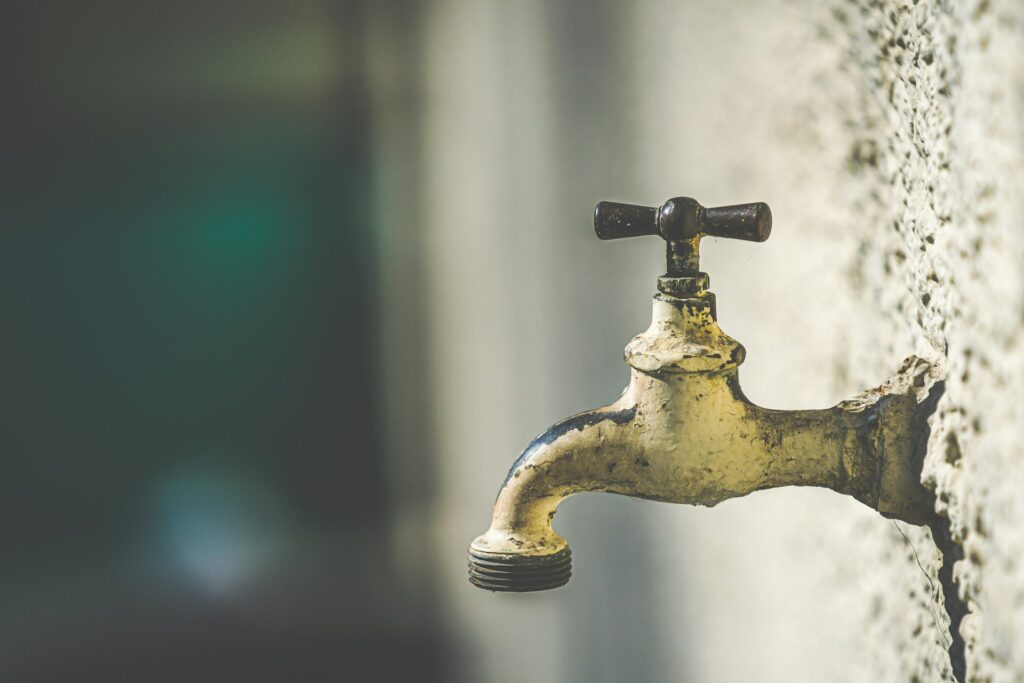
Turning on the tap only to find an unappealing petroleum smell or black particles floating in your glass of water is a major concern for both building managers and homeowners.
In Hong Kong and Macau, black specks in tap water are rarely caused by the municipal water supply itself. Instead, they stem from ageing internal plumbing and deteriorating building infrastructure. Here is an expert breakdown of why bitumen and pipe debris enter your water, the potential health implications, and how to eliminate the problem at the source.
What Causes Black Specks and Bitumen Odours in Tap Water?
Municipal water treated by the Water Supplies Department (WSD) undergoes rigorous purification. However, as water travels through older distribution networks and building risers, secondary contamination can occur due to three main factors:
Peeling Bituminous Pipe Linings
To prevent corrosion, older galvanised iron or steel water pipes laid before modern plumbing standards were coated internally with a bituminous (tar-based) protective lining. Over decades of continuous exposure, this coating becomes brittle, degrades, and flakes off into the water stream as small, soft, or tar-like black flecks.
Sudden Water Pressure Fluctuations
Routine waterworks, municipal pipe repairs, or periodic building water tank cleanings cause sudden shifts in internal water pressure. These pressure surges dislodge accumulated scale, rust, and bitumen deposits from interior pipe walls, flushing them directly through estate taps.
Worn or Damaged Strainers
Public water inlets for commercial buildings and residential estates feature inline strainers designed to capture coarse sediment. If these strainers degrade, tear, or are poorly maintained, bitumen fragments and pipe debris pass directly into internal estate risers.
Is Bitumen-Contaminated Water Dangerous to Drink?
According to government analysis, most black specks found in ageing plumbing consist of inert substances like asphalt, coal tar residue, or degraded rubber gaskets.
Health Risk Assessment: Short-term accidental ingestion of trace bitumen particles poses a very low acute toxicity risk. However, bitumen is a chemical derivative that can impart a distinct petroleum odour and unpleasant metallic taste. Furthermore, flaking of pipe linings frequently coincides with heavy metal leaching (such as lead and rust), microplastics, and organic compounds such as Trihalomethanes (THMs).
For long-term health and wellness, water experts recommend eliminating pipe sediments entirely rather than relying on basic daily flushing.
Immediate Actions to Take When You Spot Black Particles
If black specks or unusual chemical odours appear in your drinking water, take these immediate steps:
- Flush the System: Run cold water taps at full flow for 3–5 minutes every morning to purge stagnant water that has accumulated sediment overnight.
- Alert Property Management: Report the issue to your estate management office or building engineer to inspect public strainers, main water tanks, and risers.
- Switch to Point-of-Use Purification: Cease drinking unfiltered tap water until a certified filtration system or safe alternative is in place.
How to Eliminate Bitumen Contamination at the Source
Flushing taps every morning is merely a temporary workaround that wastes water and treats symptoms rather than the cause. Achieving pure, bitumen-free drinking water requires a two-tiered strategy:
1. Whole-Building Pipe Replacement (Long-Term Infrastructure)
The ultimate solution is replacing legacy galvanised steel water risers coated with bituminous linings with modern stainless steel or copper piping. However, retrofitting an entire commercial or residential building requires immense capital expenditure, extensive construction downtime, and unanimous approval from Owners’ Corporations or building management.
2. Point-of-Use Water Purification (Immediate & Effective Defence)
When building-wide pipe replacement is not immediately feasible, installing a high-performance point-of-use (POU) filtration system is the most practical and immediate safeguard. Acting as a physical and chemical barrier right at the tap, a multi-stage purifier intercepts bitumen flecks, absorbs petroleum odours, and removes secondary pollutants before water enters your glass.
Key Criteria for Selecting a Bitumen-Grade Water Filter
Standard pitch-and-sand sediment filters are insufficient for capturing fine bituminous particles or absorbing chemical odours. To effectively protect against ageing plumbing infrastructure, ensure your water system meets these critical technical benchmarks:
- Sub-Micron Physical Filtration: High-precision Reverse Osmosis (RO) membranes physically intercept micro-particles, bitumen flecks, asbestos fibres, and heavy metal rust (iron/manganese oxides) down to 0.0001 microns.
- High-Density Activated Carbon Block: Advanced carbon block formulas utilise molecular adsorption to eliminate chemical odours, petroleum tastes, Volatile Organic Compounds (VOCs), Trihalomethanes (THMs), and synthetic pollutants like PFAS (“forever chemicals”).
- Triple NSF/ANSI Certifications: Verify that the system holds independent certifications for:
- NSF/ANSI 42: Aesthetic Effects (chlorine, taste, odour, and nominal particulate removal).
- NSF/ANSI 53: Health Effects (heavy metals, lead, cysts, and VOC reduction).
- NSF/ANSI 401: Emerging Compounds & Incidental Contaminants (pesticides, pharmaceuticals, and microplastics).
Facing the hidden risks of drinking water contamination, equipping your home with a reliable water filter early on cannot only easily solve the problem of a bitumen smell in drinking water, but also comprehensively improve your family’s drinking water quality and health protection.