

Our latest updates


Frequently Asked Questions
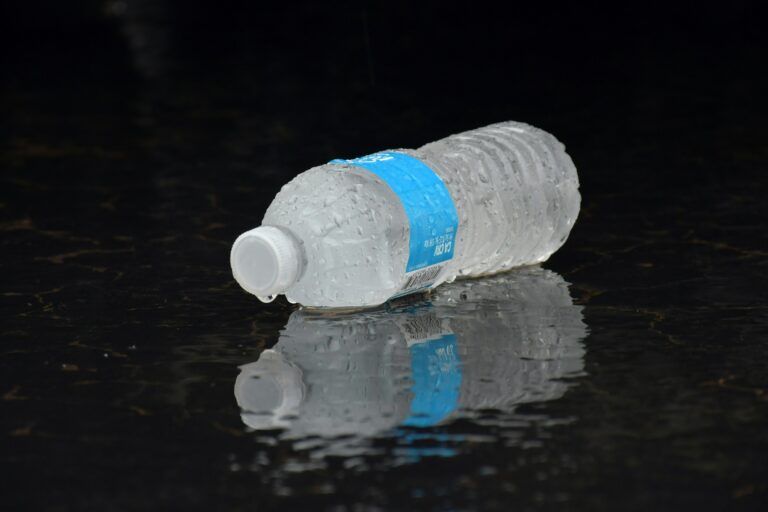
Life Solutions does not supply bottled or carboy water dispensers.
Instead, we specialize in advanced filtered water dispensers and filtration systems that connect directly to a fresh water supply. This ensures a continuous flow of pure, healthy, and sustainable hydration without the need for plastic bottles.
Our scalable solutions are designed to serve a wide variety of industries and settings, such as:
- Corporate offices and co-working spaces
- Hospitality (hotels, restaurants, cafés)
- Education (schools, universities, training centers)
- Healthcare facilities (clinics, hospitals, wellness centers)
- Industrial and manufacturing sites
- Public institutions and government facilities
- Residential developments and property management companies
We operate across Hong Kong and Macau, delivering hands-on service and support wherever our clients need us.
Our China Team services in over 35 major cities in Mainland China. Visit https://lifesolutions.com.cn/ and contact our China team for more information.
We provide a comprehensive range of water dispenser and filtration equipment, including:
- Direct-piping water dispensers (with difference temperature options)
- Under-sink filtration systems
- Centralized filtration units for large-scale operations
- Specialized filtration solutions tailored to unique business needs
- Accessories and replacement filters to ensure long-term performance
Common water filtration technologies for drinking water include activated carbon filters, reverse osmosis systems, and ultraviolet (UV) purification. Activated carbon filters are effective at removing chlorine, sediment, and volatile organic compounds (VOCs), which improve the taste and odor of water.
Reverse osmosis uses a semipermeable membrane to eliminate a wide range of contaminants, including heavy metals, salts, and bacteria, resulting in highly purified water. Additionally, ultraviolet purification employs UV light to kill or inactivate bacteria, viruses, and other pathogens, ensuring microbiological safety. These technologies can be used individually or in combination to meet specific water quality needs.
Activated Carbon, Reverse Osmosis and Ultra Violet Sterilizing Light are the most common filtration technologies that we employ. We may also customize filtration system to meet your specific needs.
Reverse Osmosis (RO) is the most effective filtration technology available. The RO process works by separating contaminants from water by forcing the water through a semi-permeable membrane. This membrane acts as a physical barrier to removeall particles larger than 0.1 nanometer。
For example, the membrane may allow passage of water molecules, but blocks molecules of dissolved salt or other harmful contaminants. Unwanted molecules are blocked and discarded by the membrane while the ultra-pure water continues on for use or further treatment.
This process takes any unwanted molecules retained by the membrane and sweeps them away to your drain. This filtration process prevents the membrane’s surface from clogging, thus allowing the filter to last long.
Yes. All our water dispensers and filtration equipment are designed to be connected directly to a fresh water supply. This ensures a reliable source of clean hydration, eliminates the need for bottled water logistics, and supports sustainability by reducing plastic waste.