


About Life Solutions
Our story
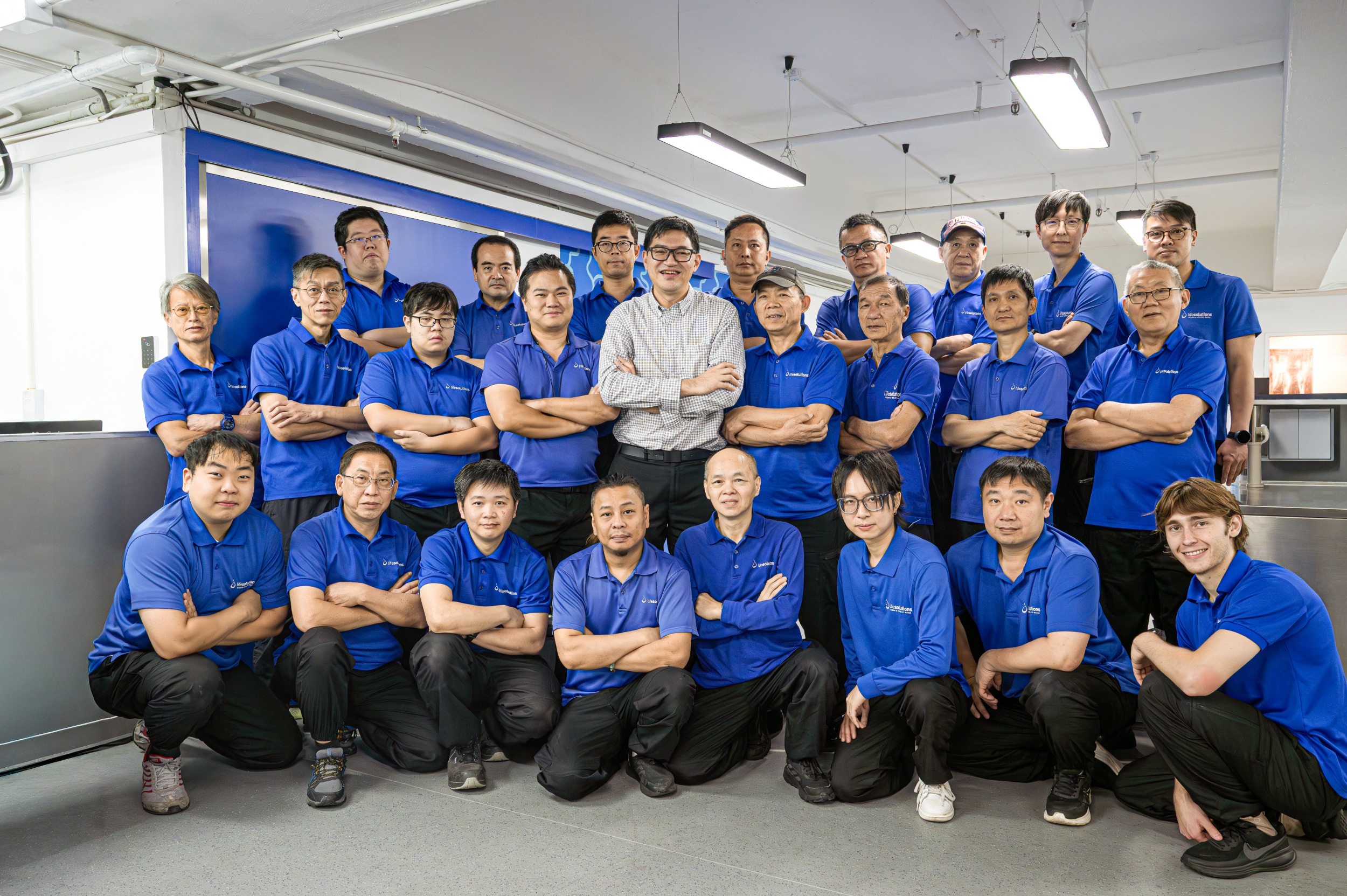
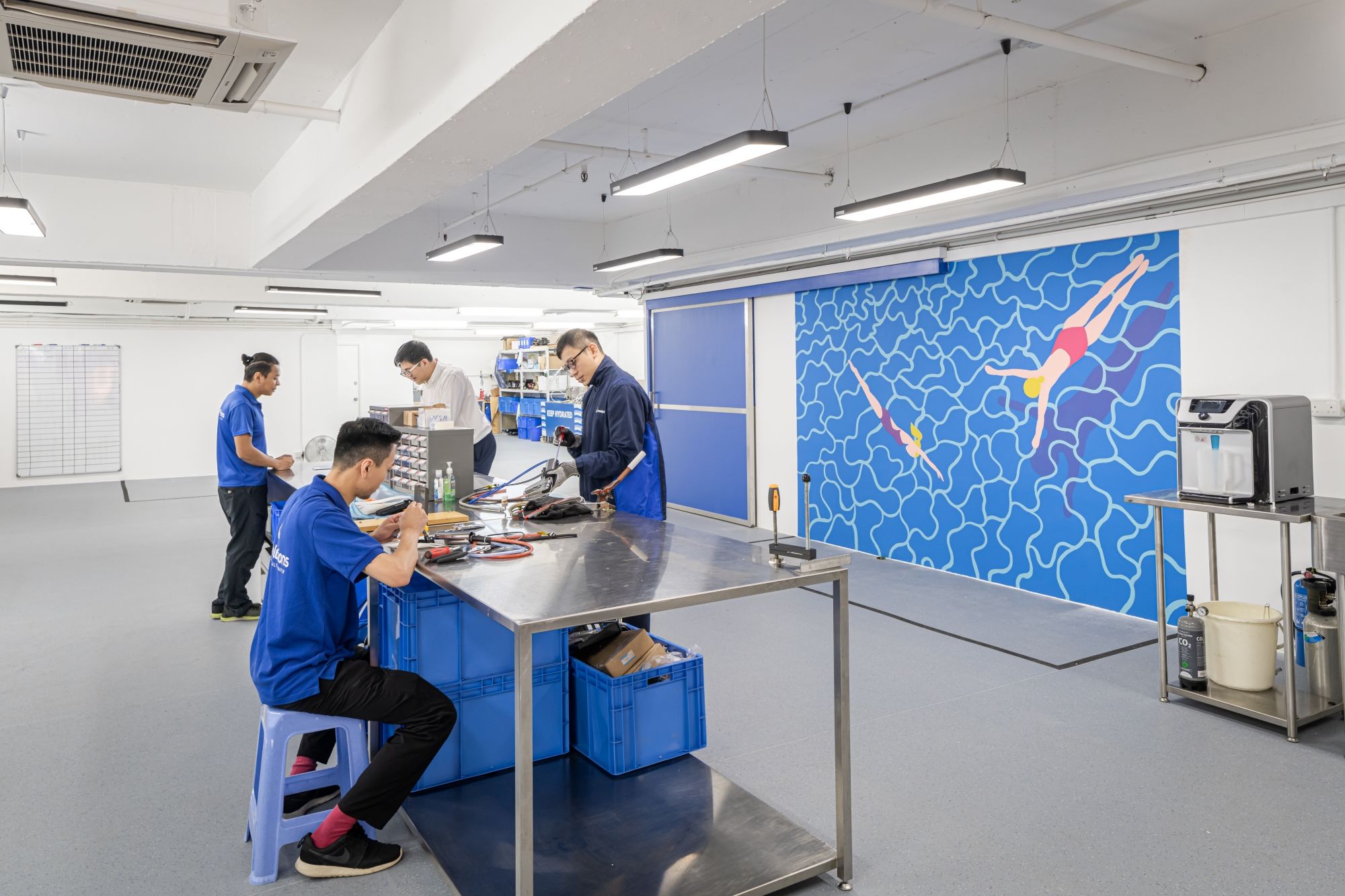
Life Solutions began its story in 2003 with a passion for excellence and a desire to pure, healthy, sustainable hydration. For over 20 years, Life Solutions has been creating exceptional hydration experiences for the leading organizations across industries.
Our professional water solutions are trusted by over 3000 high-profile corporate clients, hospitality, and private residencies throughout Hong Kong, Macau, and China.
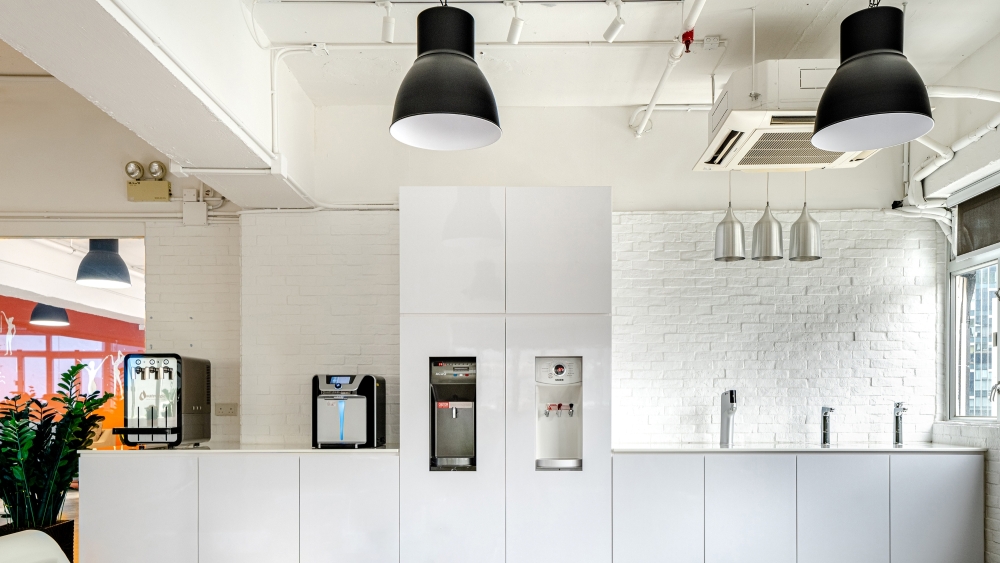
Through our portfolio of worldwide selected brands, our solutions cover the full spectrum of exquisite, high-capacity water dispensers and state-of-the-art filtration technology, where form seamlessly blends with function.
Since the company was founded, Life Solutions has remained true to its passion for excellence and a desire to pure, healthy, sustainable hydration.
Our journey is built upon six core pillars that define who we are: Comprehensive hands-on service, Service excellence and Uncompromising Quality, Scalable solution, Clean and healthy hydration, Sustainability, Enduring elegance and Excellence. These values guide everything we do, ensuring that we deliver exceptional solutions with integrity, innovation, and a dedication to improving lives and the environment.
Milestone
Our founder, Blake Ireland, established Life Solutions in 2003. Witnessing the single-use plastic pollution problem, his commitment and passion to a greener future has driven him to develop an alternative to tackle disposable plastics. That is why our solutions are designed around our dedication to deliver excellence, commitment to reduce environment impact in drinking practices, and a desire to pure, clean, and refreshing hydration. Watch the video to learn more from Blake sharing his spark and dedication behind the founding of Life Solutions.

Latest Blog & News
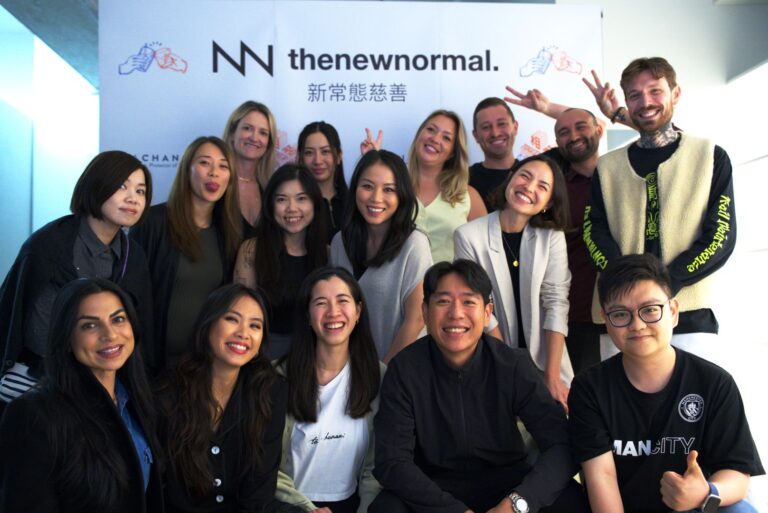
Caring for People and Planet – Life Solutions proudly supporting The New Normal Charity
At Life Solutions, we believe that caring for people and caring for the planet go hand in hand. That’s why we are proud to partner with The New Normal Charity (TNN), a Section 88 registered charity in Hong Kong, to support mental health in our city while advancing sustainability. Together, we are building a healthier, more resilient Hong Kong—where clean water and clear minds flow side by side.
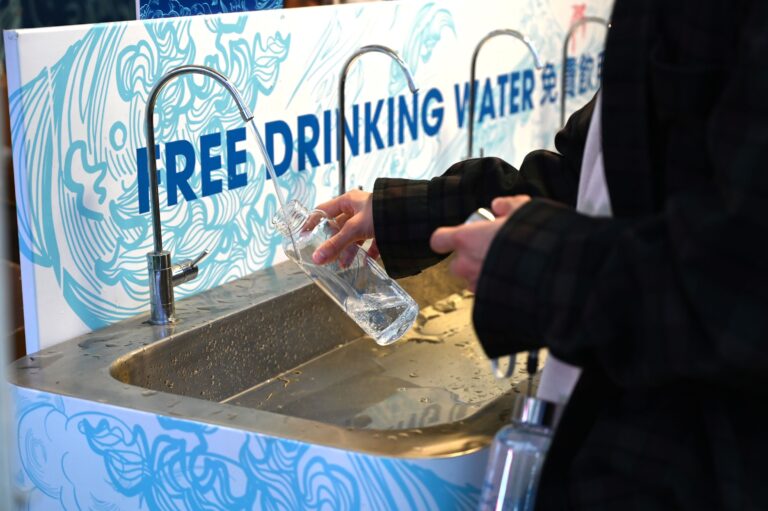
Life Solutions x Clockenflap 2025: Hydration with Purpose
At Life Solutions, we believe that sustainability isn’t just a goal—it’s a shared journey. That’s why we were proud to once again support Clockenflap, Hong Kong’s largest music and arts festival, in making this year’s event more environmentally responsible.
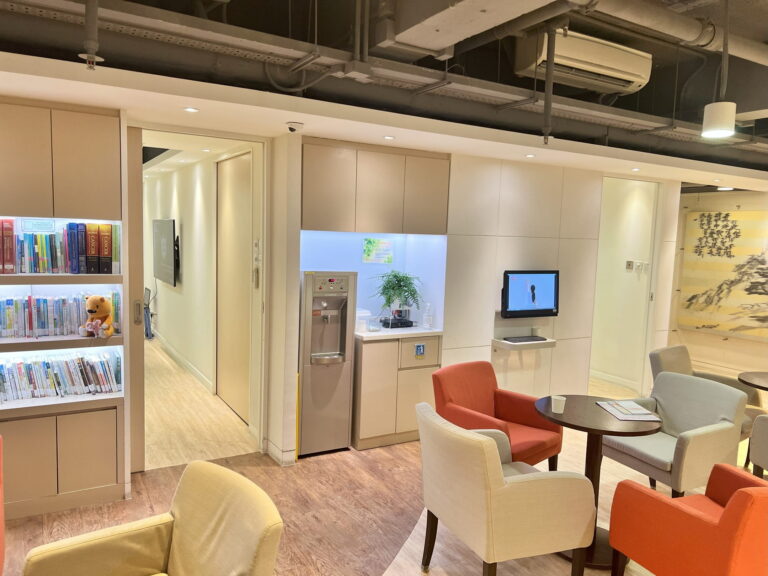
Supporting Hong Kong Cancer Fund with sustainable hydration | Life Solutions
At Life Solutions, we believe clean water is essential for health and well-being. Since 2003, we’ve proudly supported the Hong Kong Cancer Fund, a vital organization ensuring no one faces cancer alone. Established in 1987, the Cancer Fund provides free professional support, includinga one-on-one counselling, tailored programs, and classes for those in needs across their network of seven hospital-based Cancer Patient Resource Centres and four Cancer Support Centres in Wong Tai Sin, North Point, Central, and Kwai Chung.
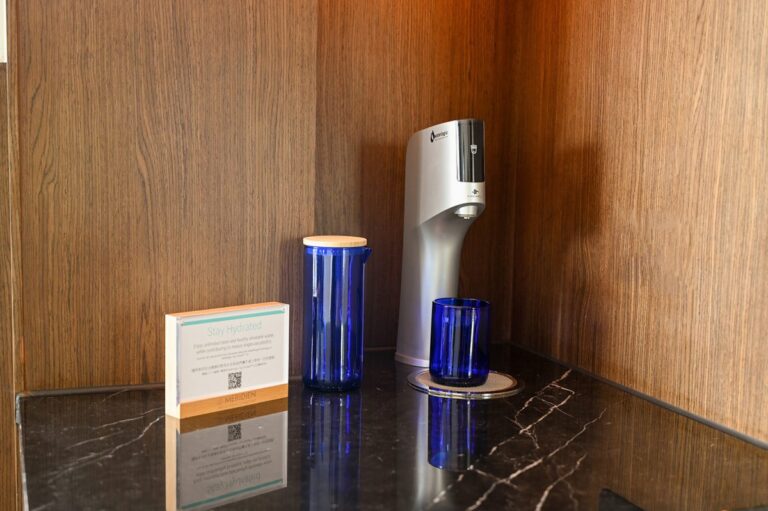
Transforming Hospitality: Embracing Hong Kong’s Plastic-Free Policy with Sustainable Water Solutions
As environmental awareness continues to grow, the Hong Kong government has implemented a new plastic reduction policy in 2024. This regulation prohibits all licensed hotels and guesthouses from providing complimentary single-use toiletries, bottled water, and promotional plastic-wrapped tissues to guests. While this presents operational challenges, it also offers a timely opportunity for the hospitality sector to transition toward more sustainable practices.
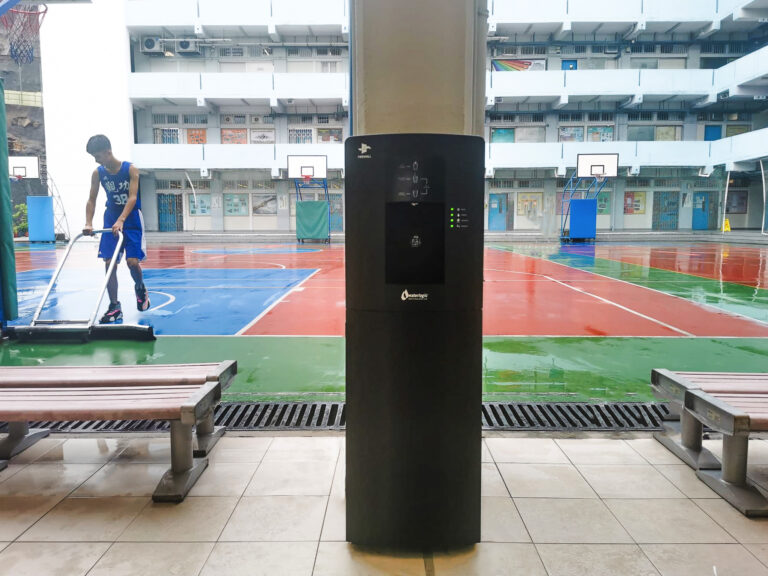
Life Solutions now services schools!
Why Life Solutions for your School? Hygiene in schools is a top-priority concern in our society especially since COVID-19. Water supply should therefore be handled by professionals and professionals only. You Can Safely Relay on Our Team of Technicians! We aim to provide all our clients with Grade-A service in terms of consultation on products, competitive […]
FAQ
Common water filtration technologies for drinking water include activated carbon filters, reverse osmosis systems, and ultraviolet (UV) purification. Activated carbon filters are effective at removing chlorine, sediment, and volatile organic compounds (VOCs), which improve the taste and odor of water.
Reverse osmosis uses a semipermeable membrane to eliminate a wide range of contaminants, including heavy metals, salts, and bacteria, resulting in highly purified water. Additionally, ultraviolet purification employs UV light to kill or inactivate bacteria, viruses, and other pathogens, ensuring microbiological safety. These technologies can be used individually or in combination to meet specific water quality needs.
- Hassle‑free maintenance: Requires only routine servicing, which is fully covered by Life Solutions as part of our annual maintenance program.
- Ultra‑fine nanoscale filtration: Delivers the purest filtered water available for homes and offices.
- Exceptional removal efficiency: Eliminates up to 98% of unwanted molecules, ensuring clean and safe drinking water.
- Long‑lasting membranes: Typically last 2–3 years while maintaining consistent performance.
Activated Carbon, Reverse Osmosis and Ultra Violet Sterilizing Light are the most common filtration technologies that we employ. We may also customize filtration system to meet your specific needs.
Common water filtration technologies for drinking water include activated carbon filters, reverse osmosis systems, and ultraviolet (UV) purification. Activated carbon filters are effective at removing chlorine, sediment, and volatile organic compounds (VOCs), which improve the taste and odor of water.
Reverse osmosis uses a semipermeable membrane to eliminate a wide range of contaminants, including heavy metals, salts, and bacteria, resulting in highly purified water. Additionally, ultraviolet purification employs UV light to kill or inactivate bacteria, viruses, and other pathogens, ensuring microbiological safety. These technologies can be used individually or in combination to meet specific water quality needs.
The advantages are:
– Smaller filter size
– Faster filtration rate
– No waste water will be generated
The disadvantages are:
– Rather short lifetime, needs to be replaced frequently
– Since the filter pole size is 0.1-5 micron, some material like heavy metal ions cannot be filtered
– Filtration performance drops overtime
Hong Kong, Macau, and over 35 major cities in Mainland China.
AC is an elementary filtration technology. Function and performance of AC filters vary by the pore size of the filter, which ranges from 0.1 micron to 5 microns. Most typical AC filters can remove chlorine, dust and rust from water.
Reverse Osmosis (RO) is the most effective filtration technology available. The RO process works by separating contaminants from water by forcing the water through a semi-permeable membrane. This membrane acts as a physical barrier to removeall particles larger than 0.1 nanometer。
For example, the membrane may allow passage of water molecules, but blocks molecules of dissolved salt or other harmful contaminants. Unwanted molecules are blocked and discarded by the membrane while the ultra-pure water continues on for use or further treatment.
This process takes any unwanted molecules retained by the membrane and sweeps them away to your drain. This filtration process prevents the membrane’s surface from clogging, thus allowing the filter to last long.
