

What Are the Long-Term Effects of Drinking Bottled Water? Disadvantages of Bottled Water and Microplastics Risks Explained
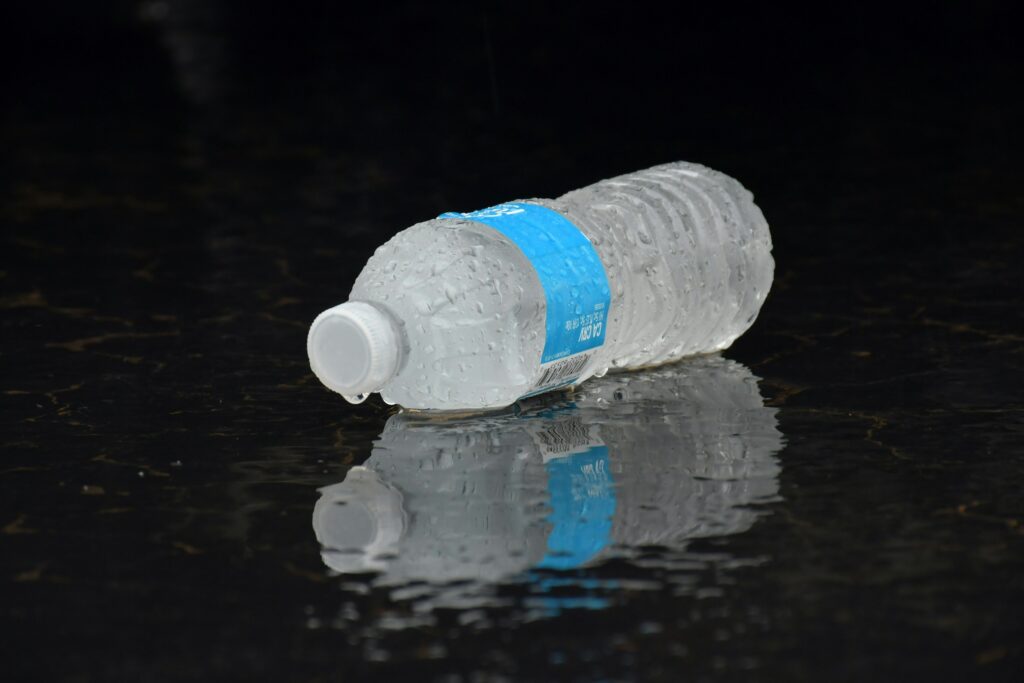
For the sake of convenience, many people habitually purchase bottled water to quench their thirst when out and about or at home. However, is long-term drinking of bottled water truly safe, and are plastic water bottles bad for you? These two questions have garnered significant attention from both the medical and environmental sectors in recent years.
Although bottled water appears clear and clean, it hides potential risks such as microplastics, chemical leaching, and mineral imbalances. This article will break down the disadvantages of bottled water in detail and compare different drinking water solutions to help you safeguard your family’s health.
Safety of Drinking Mineral Water for the Long Term: Understanding Bottled Water Composition First
Before exploring whether drinking mineral water long-term is beneficial, we must first clarify the differences in composition among various types of bottled water on the market.
Mineral Water vs. Distilled Water: Understanding the Basics
Bottled water on the market is mainly divided into two categories:
- Mineral water: Extracted from natural underground springs, containing trace inorganic minerals like calcium, magnesium, and potassium.
- Distilled water: Municipal water boiled into steam and condensed back into liquid, removing virtually all dissolved minerals, organic compounds, and impurities.
Do You Need Mineral Water to Stay Healthy?
A common myth is that bottled mineral water is necessary to meet daily nutrient intake. In reality, the mineral concentration in bottled water is negligible. Essential minerals are primarily absorbed through a balanced diet (such as leafy greens, nuts, and dairy). Mineral water should be viewed for taste preference, not as a primary nutrient source.
The Hidden Health Risks of Single-Use Plastic Bottles
The true disadvantages of bottled water stem not from the liquid inside, but from the plastic packaging and transport conditions:
Chemical Leaching (BPA & Phthalates)
Most bottled water is packaged in Polyethene Terephthalate (PET) plastic. When exposed to heat, sunlight, or extended storage, such as bottles left in delivery trucks or parked cars, PET degrades. This accelerates the leaching of endocrine-disrupting chemicals like Bisphenol A (BPA) and phthalates into the water.
Microplastic Contamination
Recent research indicates that single-use plastic bottles shed microscopic particles during cap twisting, squeezing, and transit. A landmark study revealed that individuals who rely primarily on bottled water can ingest up to 90,000 additional microplastic particles annually.
Once ingested, nanoplastics and microplastics can cross biological barriers and enter the bloodstream and major organs. Potential long-term biological impacts include:
- Cellular Oxidative Stress: Triggering chronic low-grade inflammation.
- Hormonal Disruption: Mimicking estrogen and reducing insulin sensitivity, which elevates metabolic risks.
Reproductive Toxicity: Exposure to leached plasticisers interferes with endocrine balance.
Bacterial Proliferation
Once a bottle is opened and placed against the lips, oral bacteria enter the liquid. In a sealed plastic environment at room temperature, these microorganisms multiply exponentially within hours, making overnight bottled water unsanitary.
The Impact of Microplastics on Human Health
Microplastics in bottled water have rapidly emerged as a critical health concern. Research from Concordia University indicates that routine handling—such as exposure to sunlight, temperature fluctuations during transport, or simple bottle squeezing—causes PET bottles to shed invisible plastic particles directly into the liquid.
Relying primarily on bottled water can result in an estimated 90,000 additional microplastic particles ingested per person each year. Once swallowed, sub-micron plastics can cross biological barriers and enter the bloodstream and organ tissues. Documented biological risks include:
- Chronic Inflammation & Oxidative Stress: Cellular damage caused by non-biodegradable particles.
- Endocrine & Hormonal Disruption: Leached chemicals such as Bisphenol A (BPA) mimic hormones, potentially reducing insulin sensitivity and increasing metabolic risks.
- Systemic Toxicity: Potential long-term links to reproductive issues and neurological interference.
Long-Term Bottled Water Consumption vs. Point-of-Use Filtration: Which Is Safer?
While bottled water is often marketed as the cleaner option, long-term consumption entails ongoing financial costs, risks of plastic degradation, and secondary contamination. Direct point-of-use filtration offers a fresher, safer, and far more sustainable alternative.
Cost Comparison
- Bottled Water: Purchasing single-use bottles or carboys creates a continuous financial drain. For an active household or busy office consuming multiple litres daily, annual costs quickly escalate into thousands—or even tens of thousands—of Hong Kong dollars.
- Mains-Fed Filtration: While there is a modest initial installation cost, point-of-use systems deliver an unlimited supply of purified water at a fraction of a cent per litre. Ongoing costs are limited to predictable, periodic filter replacements.
Water Quality & Safety
- Bottled Water: Purity degrades over time. Sunlight exposure, ambient heat during transit, and extended shelf life increase the likelihood of microplastic shedding, chemical leaching, and bacterial regrowth once opened.
- Mains-Fed Filtration: Direct filtration purifies tap water immediately before it hits your glass. Advanced filtration technologies—such as Reverse Osmosis (RO) and sub-micron activated carbon—instantly eliminate heavy metals, rust, chlorine, microplastics, and pathogens from municipal supplies.
Healthier, Sustainable Drinking Water Alternatives
Eliminating your exposure to microplastics, BPA, and chemical leaching requires a permanent shift away from single-use plastic bottles. To protect your family or organisation, adopt these healthier, eco-conscious hydration practices:
- Install a Certified Point-of-Use Filtration System: The most reliable way to ensure pristine water quality is to purify municipal water directly at the source. Rather than storing stagnant water in plastic containers, a point-of-use system filters water immediately before it reaches your glass. Look for advanced multi-stage systems certified to international standards (such as NSF/ANSI 42, 53, and 58) to guarantee the removal of heavy metals, microplastics, and volatile organic compounds (VOCs).
- Transition to Food-Grade, Reusable Containers: When on the go, carry a personal water bottle crafted from food-grade stainless steel or glass. Replacing single-use PET bottles with non-reactive materials completely eliminates chemical leaching, BPA exposure, and microplastic shedding—even when exposed to heat or direct sunlight.
Frequently Asked Questions About Bottled Water
Can drinking mineral water cause kidney stones or health issues?
For healthy individuals, consuming mineral water in moderation will not cause kidney stones. However, continuous high-mineral intake can place an unnecessary metabolic burden on individuals with impaired kidney function, renal disease, or underdeveloped infant digestive systems. For general daily hydration, balanced, multi-stage filtered tap water is far better suited to the body’s needs.
What are the main risks of relying exclusively on bottled water?
Relying solely on single-use bottled water—whether mineral or distilled—significantly increases your long-term exposure to microplastics and endocrine-disrupting plasticisers like BPA. Beyond personal health risks, it generates ongoing plastic waste and substantial financial costs compared to point-of-use filtration.
How does filtered tap water compare to bottled mineral water?
Filtered tap water provides the ultimate balance of purity, convenience, and safety. Rather than sitting stagnant in plastic containers, point-of-use systems like Life Solutions purify municipal water instantly at the tap using Reverse Osmosis and Firewall® UVC sterilisation. This completely eliminates sediments, heavy metals, and pathogens while preserving fresh taste—without the heavy environmental or financial footprint of bottled water.