

Why Does My Tap Water Smell Like Chlorine? Causes and Solutions
A chemical or bleach-like odour in your tap water is rarely a sign of contamination. In most cases, it is simply residual chlorine added by water authorities, such as the Hong Kong Water Supplies Department (WSD), to keep municipal water disinfected during transit.
While safe to drink, residual chlorine can spoil the taste and aroma of your daily coffee, tea, and drinking water. Here is a breakdown of why your water smells like chlorine, how much is safe, and how to eliminate the taste effortlessly.
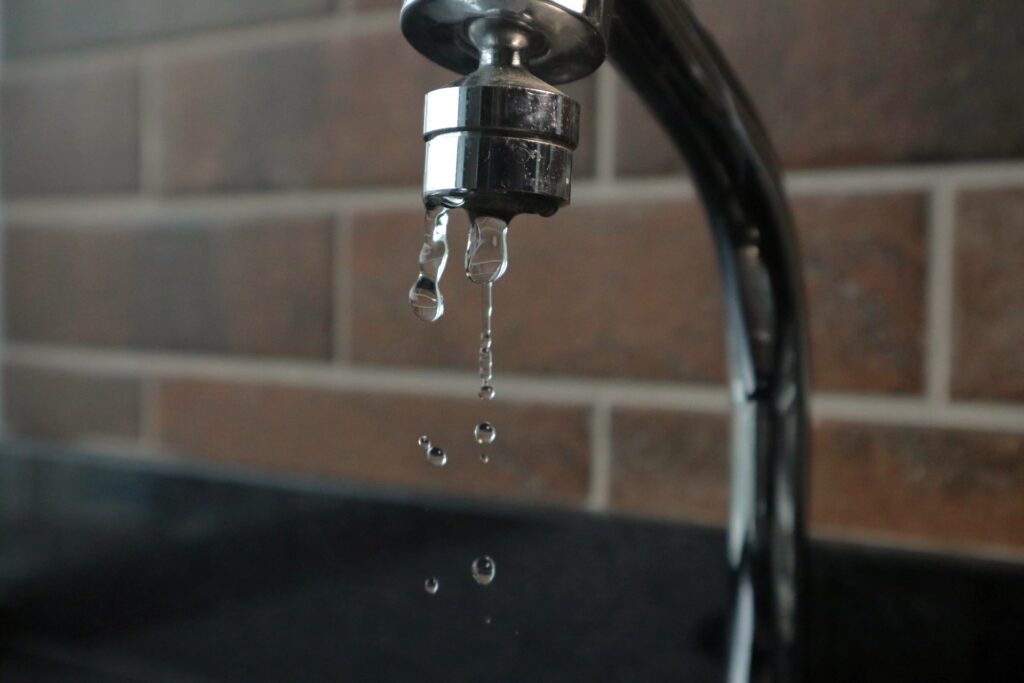
Why Does My Water Smell Like Disinfectant?
To prevent waterborne diseases, municipal facilities add chlorine or chloramines during the treatment process. This neutralises bacteria, viruses, and pathogens as water travels through kilometres of underground pipelines.
A trace amount of “residual chlorine” remains in the supply to ensure water stays sterile inside building pipes and storage tanks. This smell often becomes more noticeable if:
- Water sits idle in pipes overnight or during long holidays.
- Ambient temperatures rise, accelerating chlorine volatilisation.
- Building storage tanks or ageing plumbing systems are due for maintenance.
Does an Odour Indicate Poor Water Quality?
A mild chlorine smell usually means the disinfection process is working. However, if the odour is accompanied by discolouration, sediment, or a different scent, you may be facing another issue:
- Metallic smell or taste: Indicates corroded iron or copper pipes leaching metal ions into the water.
- Earthy and musty odour: Often caused by seasonal algae blooms or organic matter in reservoirs.
- Sulphur (rotten egg) smell: Typically points to bacterial growth in hot water tanks or drainage systems.
Quick Check: If only one tap smells, the issue lies in that specific faucet or pipe. If every outlet in your property shares the same odour, inspect your building’s central water tank or contact your property management.
How Much Residual Chlorine in Tap Water Is Safe?
According to the World Health Organization (WHO) guidelines, residual chlorine levels up to 5 mg/L (ppm) are safe for human consumption. In Hong Kong, the WSD maintains strict monitoring to ensure tap water complies with WHO drinking standards well below this limit.
While tap water meets safety benchmarks, safety does not equal optimal taste or wellness.
How to Identify the Source of Chlorine Smell in Tap Water
Use a Chlorine Test Strip
Measure the exact free chlorine level straight from your tap using a home testing kit.
Flush the Line
Run the tap for 30–60 seconds in the morning to clear stagnant water from internal piping.
Notify Property Management
Persistent smells, yellowing water, or murky supply require immediate inspection of your building’s storage tanks.
How to Remove Chlorine Smell and Taste from Water
Boiling water helps, but choosing the right filtration technology is the only long-term solution:
- Activated Carbon Filters: Highly effective. High-grade carbon adsorbs free chlorine, organic chemicals, and unpleasant odours, immediately restoring clean taste.
- Reverse Osmosis (RO) Systems: The gold standard. RO membranes filter out dissolved solids, heavy metals, microplastics, and chlorine for bottled-water quality at home.
- UV Sterilisation: Complements filtration by deactivating 99.99% of bacteria without adding chemicals, though it must be paired with carbon to remove odour.
Pure, Odour-Free Water with Life Solutions
Removing chlorine requires precise filtration that maintains water flow and reliability. Life Solutions provides advanced residential and commercial drinking systems engineered with multi-stage activated carbon and NSF-certified RO membranes. With our end-to-end service, our customised water solutions eliminate residual chlorine, heavy metals, and odours—delivering crisp, healthy, and pristine drinking water directly from your tap.
Frequently Asked Questions (FAQ)
Can boiling water remove the chlorine taste?
Yes. Boiling water for 10 to 15 minutes allows chlorine gas to dissipate. However, boiling does not remove heavy metals, rust, or chemical contaminants—as water evaporates, non-volatile impurities actually become more concentrated. Multi-stage filtration remains the most reliable solution.
Why did my water suddenly start smelling stronger of chlorine?
Water authorities may temporarily increase chlorine dosage during heavy rainfall, reservoir maintenance, or warm weather to prevent bacterial growth. Sudden spikes can also happen after building water tank cleanings.
Is water with a strong chlorine smell toxic?
No. Mild to moderate disinfectant odours reflect active chlorine dosing, not toxicity. However, if the water causes skin irritation or smells overwhelmingly pungent, stop drinking it directly and check your supply line.
How often should I replace activated carbon filters?
Typically, every 6 to 12 months, depending on household water usage and incoming water quality. A drop in water pressure or a returning chlorine taste signals that the filter cartridge is saturated and needs replacement.